
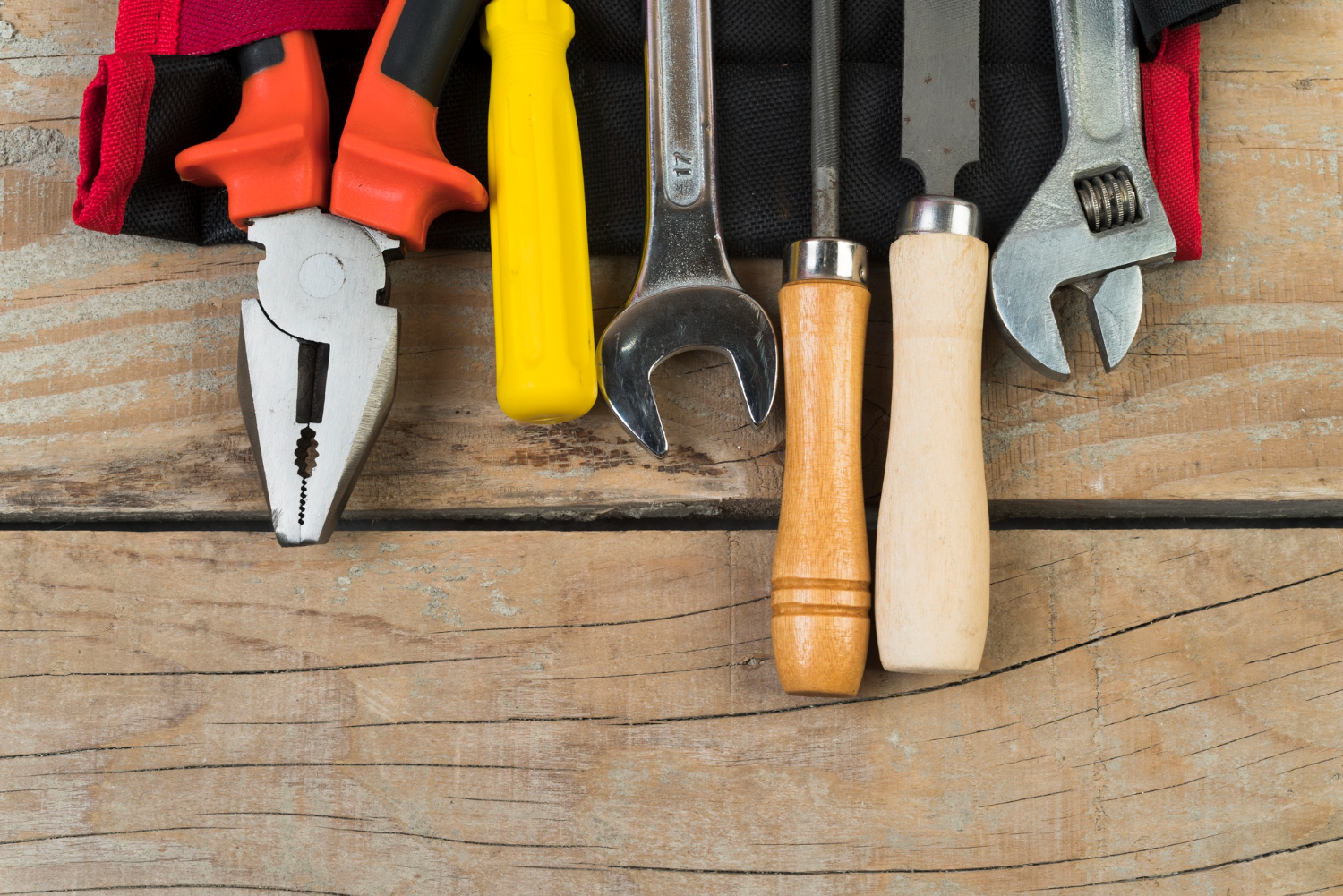
Starting a tool collection doesn’t have to drain your wallet. In fact, many of the tools you’ll use most often are surprisingly affordable. Rather than spending hundreds of dollars on large tool sets or specialty equipment, it’s smarter to invest in a handful of reliable basics that can handle a wide range of everyday repairs and DIY projects.
Whether you’re a first-time homeowner, a renter who enjoys fixing things yourself, or someone looking to build a toolbox from scratch, these budget-friendly tools offer the best value for your money.
Start with a Quality Tape Measure
A tape measure is one of the most-used tools in any home. From measuring a room for furniture to checking the size of a window or cutting lumber, you’ll reach for it far more often than you might expect.
A 25-foot tape measure is a great all-purpose choice. Look for one with clear markings, a sturdy locking mechanism, and a comfortable grip. It doesn’t have to be expensive, but it should be accurate and durable.
Buy a Reliable Claw Hammer
A claw hammer is another must-have that doesn’t cost much but earns its place in every toolbox.
You’ll use it for:
- Hanging pictures
- Driving nails
- Pulling out old nails
- Small woodworking projects
- Basic home repairs
A 16-ounce hammer strikes a good balance between power and control, making it suitable for most household jobs.
Invest in a Multi-Bit Screwdriver
Instead of buying a dozen individual screwdrivers, consider a multi-bit screwdriver with interchangeable tips.
Most models include:
- Phillips bits
- Flathead bits
- Torx bits
- Square-drive bits
This single tool can handle furniture assembly, cabinet hardware, appliance repairs, and many other everyday tasks while taking up very little space.
Adjustable Wrench
An adjustable wrench is one of the most versatile tools you can own. Instead of purchasing several wrench sizes, one adjustable model can fit a wide variety of nuts and bolts.
It’s especially useful for:
- Plumbing repairs
- Tightening furniture
- Installing faucets
- Assembling outdoor equipment
An 8-inch adjustable wrench is large enough for most household projects while remaining easy to handle.
Slip-Joint and Needle-Nose Pliers
Pliers are inexpensive, durable, and incredibly useful.
Slip-joint pliers are ideal for gripping larger objects, while needle-nose pliers excel at reaching into tight spaces, bending wire, and handling small parts.
Together, these two tools can solve dozens of common repair problems.
Utility Knife
A sharp utility knife often works better than scissors for DIY projects.
Use it to:
- Open boxes
- Trim carpet
- Score drywall
- Cut rope
- Slice plastic sheeting
Choose a model with replaceable blades so it stays sharp for years.
Level
Crooked shelves and uneven picture frames are easy to avoid with a simple level.
A basic 24-inch spirit level is affordable and accurate enough for hanging artwork, installing cabinets, mounting TVs, and tackling other household projects.
It’s one of those tools you may not use every day, but you’ll be glad you have it when you need it.
Cordless Drill
While it costs more than hand tools, a cordless drill is often the first power tool worth purchasing.
It can:
- Drill holes
- Drive screws
- Assemble furniture
- Install shelving
- Build simple DIY projects
If your budget allows, choose a drill that includes a battery, charger, and carrying case. Many manufacturers also offer compatible tools that use the same battery, making it easier to expand your collection later.
Flashlight or LED Work Light
Good lighting can make any repair easier and safer.
A rechargeable LED flashlight or portable work light helps when working in crawl spaces, attics, garages, or under sinks where overhead lighting is limited.
It’s a small investment that often proves invaluable.
Safety Gear Is Worth Every Penny
Protective equipment isn’t technically a tool, but it belongs in every beginner’s toolkit.
Start with:
- Safety glasses
- Work gloves
- Hearing protection
- Dust mask
These inexpensive items can help prevent injuries and make your projects more comfortable from start to finish.
Skip the Giant Tool Sets
Large tool kits often look like a bargain, but many include duplicate pieces or specialty tools you’ll rarely use.
Instead of buying the biggest kit you can find, focus on purchasing tools you’ll actually reach for. You can always add specialty tools later as your projects become more advanced.
This approach saves money while keeping your toolbox organized and practical.
Shop Smart
You don’t always need to pay full price to build a quality toolkit.
Here are a few ways to stretch your budget:
- Watch for holiday sales at hardware stores.
- Buy tool bundles that include a case or accessories.
- Check estate sales or garage sales for well-maintained hand tools.
- Read customer reviews before choosing lesser-known brands.
- Spend more on tools you’ll use regularly and less on occasional-use items.
A thoughtful purchase today can save you from replacing a cheap tool tomorrow.
Build Your Collection Gradually
There’s no rule that says you need to own every tool right away. Most experienced DIYers built their collections one project at a time.
When a new repair comes up, buy the tool you need if you don’t already have it. Over time, you’ll end up with a toolbox that’s tailored to the kind of work you actually do, rather than one filled with tools you’ll never touch.
Creating a dependable toolbox doesn’t require a huge budget.
By focusing on affordable, high-quality essentials like a tape measure, hammer, screwdriver, pliers, adjustable wrench, and cordless drill, you’ll be prepared for the vast majority of household repairs and DIY projects.
The key is to buy tools with a purpose. Start with the basics, choose quality whenever possible, and expand your collection as your skills grow. Before long, you’ll have a toolkit that’s practical, reliable, and ready for just about anything around the house.