
Homeownership has a way of testing your patience at the worst possible times. A pipe starts leaking late at night, a storm knocks something loose, or a cabinet hinge gives out right before guests arrive. These moments rarely feel dramatic in hindsight—but in the moment, they’re exactly when you wish you had the right supplies within arm’s reach.
That’s where a home repair emergency supply kit comes in. Think of it as a “damage control box” for your house: not a full toolbox, but a focused collection of essentials that helps you stop problems from getting worse and handle quick fixes until a proper repair can be done.
The goal isn’t perfection. It’s preparedness.
Start with a Dedicated Storage Bin
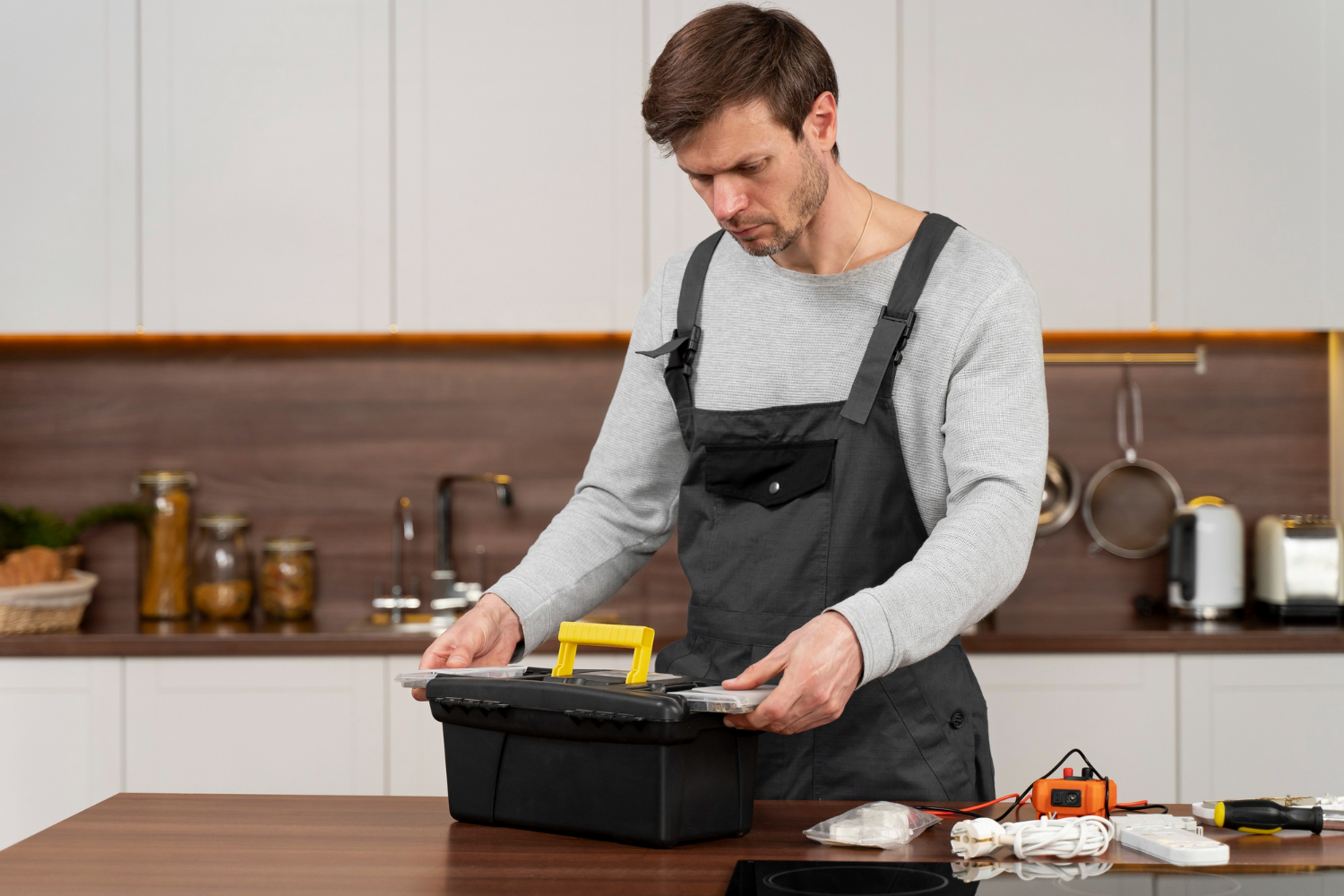
Before filling your kit, pick something you can grab quickly and carry easily. A sturdy plastic bin with a lid works well, especially one that’s water-resistant. Some homeowners prefer a small toolbox or even a rolling organizer if space allows.
The important thing is consistency—everything should live in one place so you’re not searching through drawers when something goes wrong.
Essential Hand Tools for Quick Fixes
You don’t need a full workshop, but a few core tools can solve a surprising number of emergencies.
Include:
- Adjustable wrench for shutting off or tightening plumbing connections
- Slip-joint pliers for gripping and turning stubborn parts
- Screwdriver set or multi-bit screwdriver for loose hardware
- Utility knife for cutting tape, packaging, or damaged materials
- Small hammer for light repairs or removing fasteners
- Hex key set for furniture and appliance adjustments
These tools cover most of the “something just broke” situations around the house.
Plumbing Emergency Basics
Water problems escalate quickly, so having simple plumbing supplies on hand can prevent major damage.
Add:
- Pipe repair tape or plumber’s tape
- Rubber hose clamps or repair clamps
- Assorted washers and O-rings
- A small plunger (sink and toilet if possible)
- Pipe sealing compound or epoxy putty
Even if you’re not doing full repairs, these items can help you slow or temporarily stop leaks until a plumber arrives.
Electrical Safety and Quick Fix Items
You don’t need to be an electrician to handle basic electrical-related emergencies safely—but you do need the right precautions.
Include:
- Flashlight or headlamp with extra batteries
- Electrical tape for temporary insulation or bundling wires
- Voltage tester for checking live circuits
- Spare light bulbs for common fixtures
- Extension cord (heavy-duty, indoor/outdoor rated)
If something electrical smells burnt or feels unsafe, the kit helps you assess and stabilize—not permanently repair.
Fast Repair Materials
Some problems are less about tools and more about stopping damage quickly.
Keep these on hand:
- Duct tape (still one of the most useful emergency materials)
- Super glue for quick bonding repairs
- Wood glue for furniture fixes
- Zip ties for temporary fastening
- Heavy-duty adhesive patches
- Sandpaper for smoothing rough or damaged edges
These are the “make it hold for now” items that buy you time.
Weather and Structural Emergency Supplies
Storms, drafts, and sudden damage can create situations where you need fast stabilization.
Consider including:
- Plastic sheeting or heavy-duty tarp
- Bungee cords or rope
- Foam weather stripping
- Small roll of painter’s tape (for temporary sealing or marking)
- Putty knife for scraping or applying filler
A tarp alone can make a big difference in preventing water damage after roof or window issues.
Safety Gear You Should Never Skip
Emergency repairs often happen under stress, low light, or awkward conditions. That’s when injuries are most likely.
Your kit should always include:
- Safety glasses
- Work gloves
- Dust mask or respirator
- Small first aid kit
Even simple cuts or splinters are more likely when you’re rushing to fix something.
Lighting and Power Backup
Many home emergencies don’t just involve the problem itself—they also involve poor lighting or power issues.
Add:
- Battery-powered LED flashlight
- Headlamp (hands-free work is a game changer)
- Spare batteries
- Portable power bank for charging your phone
Being able to see clearly changes everything when you’re trying to shut off a valve or inspect damage.
Small but Smart Extras
These aren’t essential, but they make emergency situations easier to manage:
- Permanent marker and notepad (for labeling or notes)
- Measuring tape for quick checks
- Small container of nails, screws, and wall anchors
- Spare fuses (if your home uses them)
- Heavy-duty trash bags for cleanup
These little items often save a second trip to the store in the middle of a stressful moment.
Keep It Accessible, Not Hidden
A great emergency kit is useless if you can’t find it when you need it. Store it somewhere logical—garage, utility closet, or basement—but make sure everyone in the home knows where it is.
If your home has multiple levels, consider keeping a smaller backup kit upstairs as well.
Check and Refresh Your Kit Periodically
Like any preparedness system, this kit only works if it stays ready. Every few months, take a quick look:
- Replace dead batteries
- Restock used items
- Check tape, adhesives, and sealants for drying or expiration
- Make sure tools are still in good condition
It doesn’t take long, but it keeps your kit reliable when it matters.
A home repair emergency supply kit isn’t about preparing for disaster—it’s about being ready for the normal, frustrating, everyday problems that come with owning a house.
A leaking pipe, a loose fixture, or a broken latch becomes much less stressful when you already have what you need to respond.
With a small investment in basic tools, safety gear, and repair supplies, you can turn a chaotic moment into a manageable fix. And sometimes, that’s all you really need.