
You’ve found the perfect spot to hang a shelf, mirror, or piece of artwork. You grab a screw, line it up, and then realize there’s one important question left: Is there a wall stud behind the drywall?
If the answer is no, you’ll likely need a wall anchor.
Wall anchors provide extra support by gripping the drywall or other wall material, allowing it to safely hold objects that a screw alone couldn’t support. Choosing the right anchor isn’t difficult, but using the wrong one can lead to loose fixtures, damaged walls, or even falling shelves.
Here’s what every homeowner should know about selecting the right wall anchor for the job.
What Is a Wall Anchor?
A wall anchor is a device inserted into drywall, plaster, masonry, or other wall materials before a screw is installed. It spreads the load over a larger area, giving the screw something solid to grip.
Without an anchor, a screw driven directly into drywall has very little holding power. Under enough weight, it can loosen and pull right out of the wall.
When Do You Need a Wall Anchor?
If you’re fastening directly into a wall stud, an anchor usually isn’t necessary. Wood studs provide plenty of support for most household items.
You’ll typically need an anchor when installing items on:
- Drywall
- Plaster walls
- Hollow-core walls
- Masonry (using masonry-specific anchors)
Common projects that require wall anchors include:
- Hanging mirrors
- Installing floating shelves
- Mounting curtain rods
- Securing towel bars
- Hanging large artwork
- Mounting coat hooks
- Installing wall organizers
Plastic Expansion Anchors
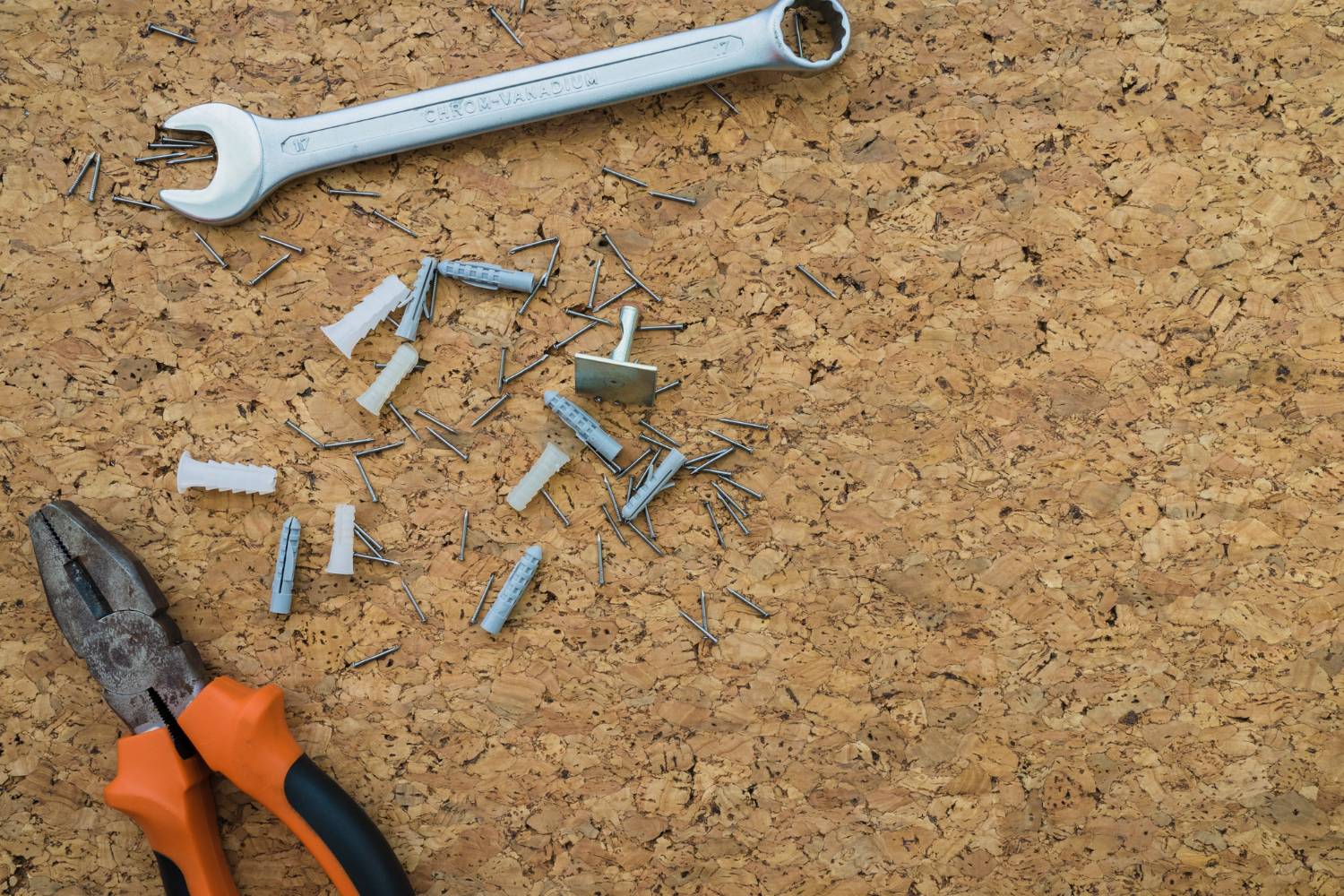
Plastic expansion anchors are the most common type found in home improvement stores.
Once the screw is driven in, the anchor expands inside the wall, gripping the drywall and helping distribute the load.
Best For
- Lightweight pictures
- Small wall décor
- House numbers
- Lightweight shelves
- Smoke detectors
Advantages
- Affordable
- Easy to install
- Available in many sizes
- Great for beginners
These are an excellent choice for everyday household projects that don’t involve heavy loads.
Self-Drilling Drywall Anchors
Also called threaded drywall anchors, these anchors screw directly into drywall without requiring a separate pilot hole in many cases.
Their coarse threads grip the drywall securely, providing greater holding strength than basic plastic anchors.
Best For
- Medium-weight shelving
- Curtain rods
- Wall organizers
- Decorative shelving
- Towel racks
Advantages
- Quick installation
- Strong holding power
- Minimal tools required
- Easy to remove if needed
For many homeowners, these are among the most versatile drywall anchors available.
Toggle Bolts
Toggle bolts are designed for heavier items mounted on hollow walls.
A spring-loaded metal wing folds during installation, passes through the hole, then opens behind the drywall. This creates a large bearing surface that supports significantly more weight than standard anchors.
Best For
- Large mirrors
- Heavy shelving
- Television mounts (when studs aren’t available and the mount manufacturer permits it)
- Cabinets
- Heavy wall décor
Advantages
- Very strong holding power
- Excellent for hollow walls
- Distributes weight across a larger area
Because they require a larger installation hole, toggle bolts aren’t usually the first choice for lightweight projects.
Molly Bolts
Molly bolts are metal anchors that expand behind the wall as the screw is tightened.
Unlike toggle bolts, they remain permanently installed, allowing the screw to be removed and reinstalled without replacing the anchor.
Best For
- Medium- to heavy-duty wall fixtures
- Coat hooks
- Shelving
- Decorative cabinets
Advantages
- Durable metal construction
- Reusable screw
- Strong grip in drywall
They’re a solid choice when you expect to remove or replace the mounted item later.
Masonry Anchors
Drywall anchors won’t work in concrete, brick, or stone.
For these materials, use anchors specifically designed for masonry, such as concrete screws, sleeve anchors, or expansion anchors.
These require a masonry drill bit and are commonly used for:
- Outdoor fixtures
- Garage storage
- Fence hardware
- Exterior lighting
- Handrails
Always match the anchor to the type of masonry you’re drilling into.
How Much Weight Can a Wall Anchor Hold?
Every wall anchor has a maximum weight rating, but the exact capacity depends on several factors, including:
- The anchor type
- Wall material
- Screw size
- Installation quality
- Whether the weight pulls straight down or away from the wall
As a general rule:
- Plastic expansion anchors work well for light-duty applications.
- Self-drilling anchors handle moderate loads.
- Toggle bolts are often the strongest option for hollow drywall.
Always follow the manufacturer’s weight recommendations and leave a safety margin instead of loading an anchor to its maximum capacity.
Choosing the Right Anchor
A simple way to decide is by considering the weight of the object you’re hanging.
Lightweight Items
Choose:
- Plastic expansion anchors
- Small self-drilling anchors
Examples include:
- Picture frames
- Small clocks
- Wall signs
- Lightweight décor
Medium-Weight Items
Choose:
- Self-drilling drywall anchors
- Molly bolts
Examples include:
- Curtain rods
- Floating shelves
- Coat hooks
- Bathroom accessories
Heavy Items
Choose:
- Toggle bolts
- Stud-mounted screws whenever possible
Examples include:
- Large mirrors
- Heavy shelving
- Storage cabinets
For very heavy objects, fastening directly into wall studs is almost always the safest and strongest option.
Installation Tips
No matter which anchor you choose, proper installation makes all the difference.
A few tips:
- Read the anchor’s weight rating before installation.
- Use the recommended drill bit size if a pilot hole is required.
- Avoid overtightening the screw, which can damage the anchor.
- Keep anchors a safe distance from drywall edges to reduce the risk of cracking.
- Use a stud finder before drilling—you may not need an anchor if a stud is available.
Taking an extra minute to measure and prepare can prevent a lot of frustration later.
Common Mistakes to Avoid
Many wall anchor failures happen because of simple installation errors.
Avoid these common mistakes:
- Using a lightweight anchor for a heavy object
- Ignoring the anchor’s weight rating
- Installing anchors in damaged drywall
- Using drywall anchors in masonry
- Overtightening screws until the anchor spins
- Hanging heavy items without checking for wall studs first
Choosing the correct anchor is just as important as installing it properly.
Wall anchors may be small, but they play a big role in keeping your shelves, artwork, mirrors, and other fixtures securely attached to the wall.
Understanding the different types—and knowing when to use each one—helps you complete projects with confidence and avoid unnecessary wall damage.
For light household décor, simple plastic anchors often do the trick. As projects become heavier or more demanding, self-drilling anchors, molly bolts, and toggle bolts offer increased strength and reliability. When in doubt, mounting directly into a wall stud is still the strongest option. With the right wall anchor and careful installation, you can enjoy sturdy, long-lasting results for years to come.