
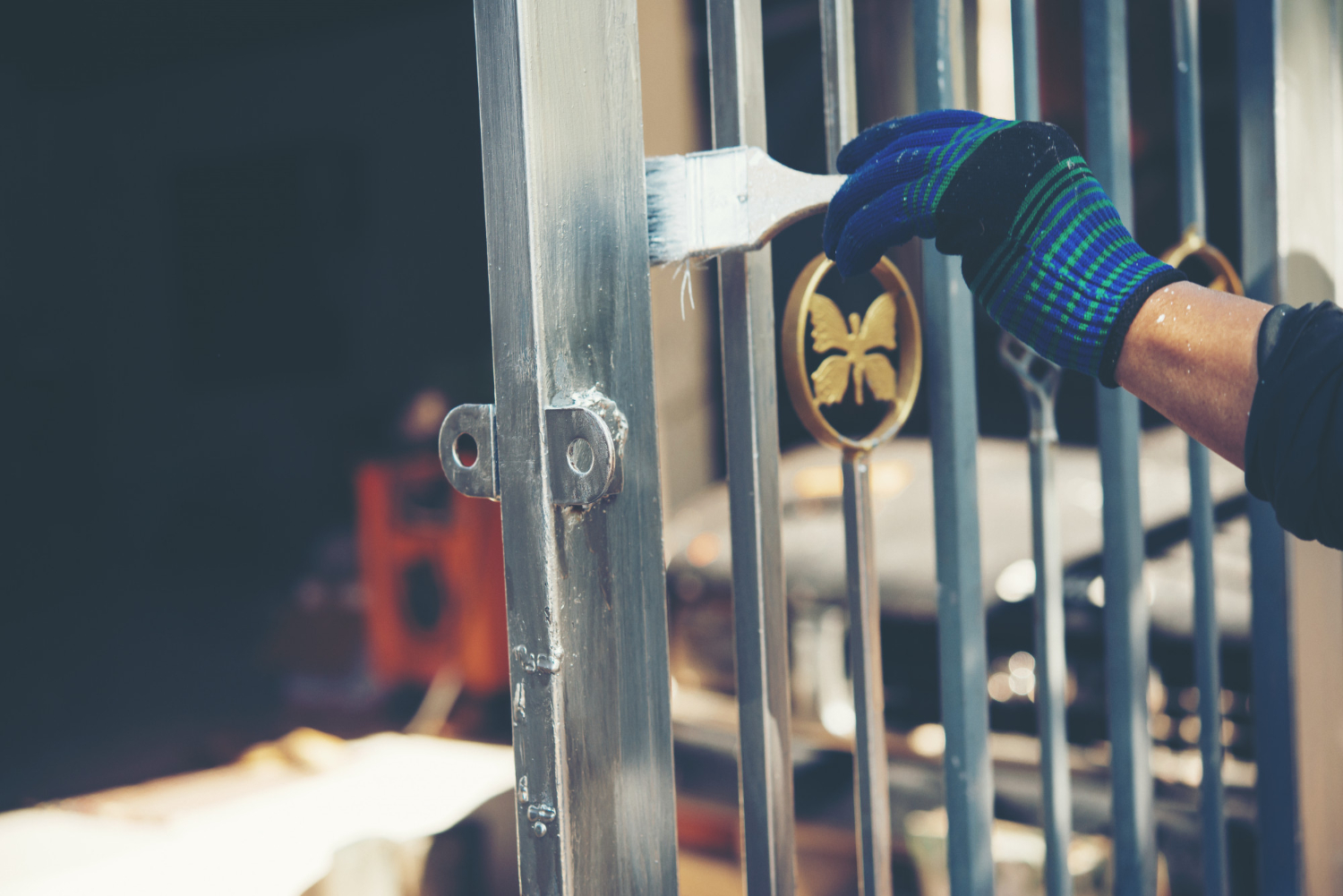
A gate is one of the hardest-working parts of a fence. It opens and closes countless times throughout the year while standing up to rain, wind, sun, and changing temperatures. Over time, all that use can take a toll on the hardware that keeps the gate operating smoothly.
Loose hinges, worn latches, missing screws, and sagging gates are common problems, but they’re also some of the easiest to fix. In many cases, a few simple repairs can restore a gate’s function and prevent more costly damage down the road.
Signs Your Gate Needs Attention
Small hardware problems rarely improve on their own. Catching them early can prevent the gate from becoming difficult to open or causing damage to the fence posts.
Look for these warning signs:
- The gate sags or drags on the ground.
- Hinges squeak or bind.
- The latch doesn’t line up properly.
- Screws or bolts are loose or missing.
- The gate wobbles when opened.
- Hinges show signs of rust or corrosion.
- The gate won’t stay closed.
A quick inspection every few months can help you spot these issues before they become bigger repairs.
Gather Your Tools
Most gate hardware repairs can be completed with a basic set of hand tools.
You’ll typically need:
- Phillips and flat-head screwdrivers
- Drill or cordless driver
- Adjustable wrench or socket set
- Replacement screws or bolts
- Replacement hinges or latch (if needed)
- Silicone spray or white lithium grease
- Tape measure
- Safety glasses
- Work gloves
Having all your tools nearby makes the repair go much more smoothly.
Tighten Loose Hinges
Loose hinge screws are one of the most common causes of a sagging gate.
Start by checking each mounting screw. Tighten any that have worked loose over time.
If a screw won’t tighten because the hole has become enlarged, replace it with a slightly longer exterior-grade screw. If the hole is stripped, fill it with wood glue and wooden toothpicks or a hardwood dowel, let it dry, and reinstall the screw once the repair has hardened.
For metal gates, inspect bolts and nuts instead of wood screws, tightening them with the appropriate wrench.
Replace Rusted Hinges
Outdoor hardware is constantly exposed to moisture, so rust is almost inevitable over the years.
If a hinge has become badly corroded or bent, replacement is usually the best solution.
When installing a new hinge:
- Choose one that’s the same size and style as the original.
- Use galvanized or stainless steel hardware for better corrosion resistance.
- Install all screws before fully tightening them to allow for minor adjustments.
Once everything is aligned properly, tighten the hardware securely.
Repair a Sagging Gate
If the gate has dropped and scrapes the ground, the hardware may still be in good condition—but it needs adjustment.
Check for:
- Loose hinge screws
- Loose carriage bolts
- A leaning fence post
- Warped gate framing
Many sagging gates can be corrected simply by tightening the top hinge or replacing short screws with longer ones that anchor into solid wood.
If the gate frame itself has twisted or the supporting post is leaning, additional repairs may be necessary.
Fix a Misaligned Latch
A latch that no longer catches properly is often the result of slight gate movement over time.
First, tighten all hinge hardware and test the gate again. Sometimes restoring the gate’s alignment automatically fixes the latch.
If it still doesn’t line up:
- Loosen the latch screws.
- Reposition the latch or strike plate.
- Test the gate several times.
- Tighten the hardware once everything aligns correctly.
Taking your time during this step helps ensure smooth operation.
Replace Missing Fasteners
Missing screws, bolts, or nuts weaken the entire gate.
Replace any missing hardware with fasteners that match the original size and are rated for outdoor use.
Good choices include:
- Galvanized screws
- Stainless steel bolts
- Exterior-grade deck screws
- Hot-dip galvanized carriage bolts
Using weather-resistant hardware helps prevent future corrosion.
Lubricate Moving Parts
A gate with properly lubricated hardware operates more smoothly and experiences less wear.
Apply lubricant to:
- Hinge pins
- Gate latches
- Locking mechanisms
- Moving joints
Silicone spray and white lithium grease are both excellent choices because they resist moisture and won’t wash away easily during rain.
Wipe away any excess lubricant after application.
Check the Fence Posts
Sometimes the gate hardware isn’t the problem at all.
Inspect the supporting posts for:
- Rot
- Loose concrete footings
- Leaning
- Cracks
- Insect damage
Even brand-new hinges won’t solve alignment problems if the post itself is unstable.
Test the Gate
After completing the repairs, open and close the gate several times.
Make sure:
- It swings freely.
- It doesn’t drag on the ground.
- The latch closes securely.
- Hinges operate quietly.
- The gate doesn’t wobble.
If something still feels off, make small adjustments rather than forcing the hardware into position.
Prevent Future Problems
Routine maintenance can significantly extend the life of your gate.
A simple maintenance schedule includes:
- Tightening hardware every six months
- Lubricating hinges once or twice a year
- Replacing rusted fasteners promptly
- Inspecting the gate after severe storms
- Keeping vegetation from rubbing against the hardware
These small tasks take only a few minutes but can prevent much larger repairs later.
Common Mistakes to Avoid
When repairing gate hardware, watch out for these common errors:
- Reusing rusted screws or bolts
- Overtightening hardware until the wood cracks
- Ignoring a leaning fence post
- Installing indoor hardware outdoors
- Lubricating rusty hinges without cleaning them first
- Adjusting the latch before checking the hinges
Fixing the root cause instead of just the symptom usually leads to a longer-lasting repair.
Basic gate hardware repairs are well within the abilities of most homeowners and require only a handful of tools.
Whether you’re tightening loose hinges, replacing a worn latch, or installing new weather-resistant hardware, regular maintenance keeps your gate working properly and helps protect the rest of your fence from unnecessary strain.
By addressing small problems as they appear, you’ll extend the life of your gate, improve security, and avoid more expensive repairs in the future. A few minutes of maintenance today can keep your gate opening and closing smoothly for years to come.