
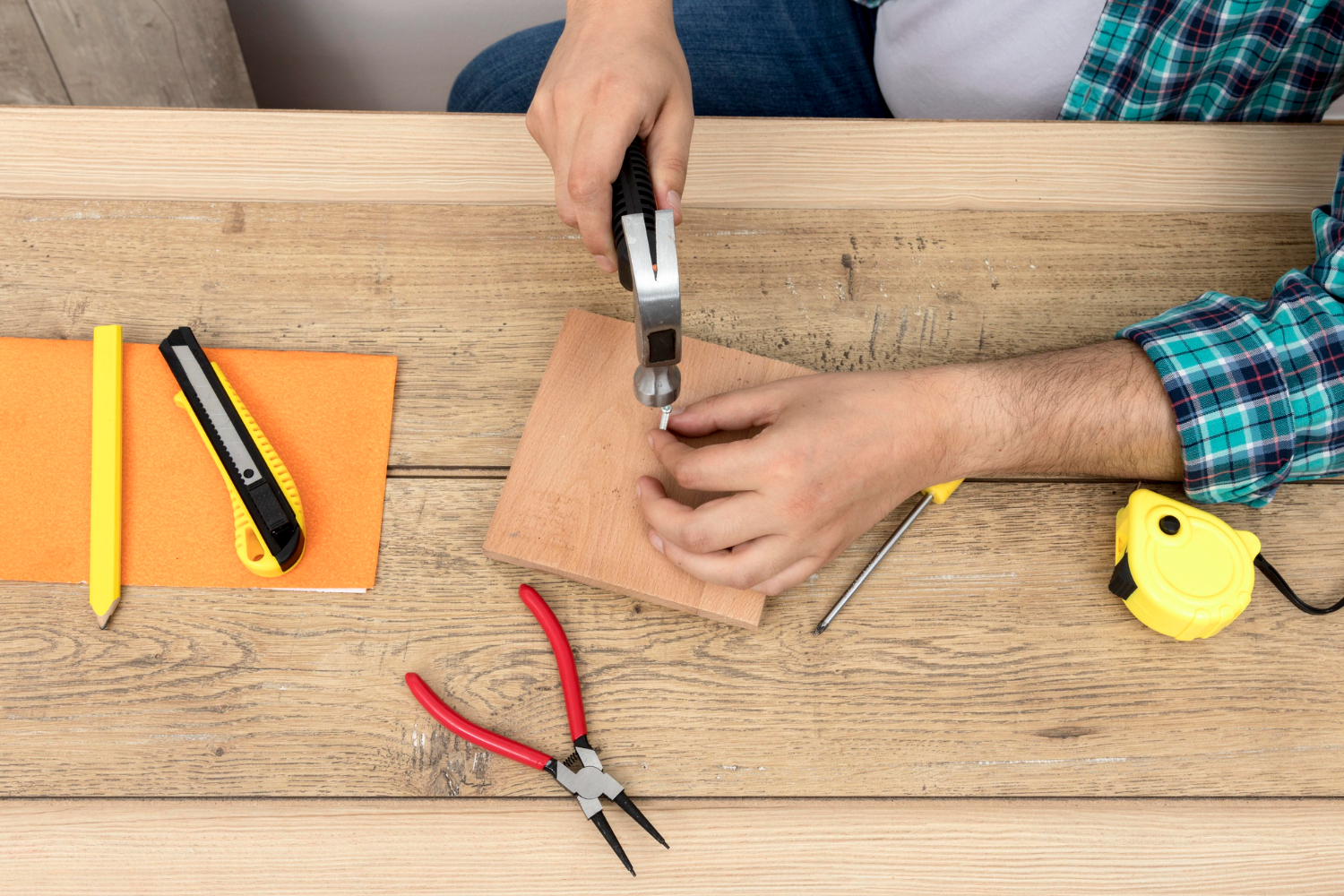
Installing new hardware may seem like one of the easiest home improvement projects, but even small mistakes can lead to loose fixtures, crooked handles, damaged walls, or hardware that wears out long before it should. Whether you’re hanging a shelf, replacing cabinet pulls, mounting a towel bar, or installing a gate latch, taking the time to do the job correctly makes all the difference.
The good news is that most installation problems are completely avoidable. By understanding the most common mistakes, you can complete your projects with confidence and achieve results that look professional and last for years.
Skipping the Measuring Step
One of the most common—and costly—mistakes is rushing into the installation without taking accurate measurements.
A handle that’s just a few millimeters off-center can be surprisingly noticeable, especially when multiple pieces of hardware are installed side by side.
Before drilling or fastening anything:
- Measure twice.
- Mark mounting locations carefully.
- Use a level when needed.
- Double-check spacing before making permanent holes.
A few extra minutes spent measuring can save hours of repairs later.
Using the Wrong Fasteners
Not every screw or bolt works for every project.
Using hardware that’s too short, too thin, or made from the wrong material can lead to loose installations or damaged surfaces.
For example:
- Drywall screws shouldn’t be used for structural projects.
- Indoor screws aren’t suitable for outdoor installations.
- Small wall anchors can’t safely support heavy objects.
- Short screws may not provide enough grip.
Always choose fasteners designed for the material you’re working with and the weight they’ll need to support.
Ignoring Wall Studs
When mounting shelves, televisions, heavy mirrors, or cabinets, one of the biggest mistakes is relying entirely on drywall anchors without checking for wall studs.
Whenever possible, attach heavy items directly to wall studs.
If a stud isn’t available, choose a wall anchor that is specifically rated for the weight of the item you’re installing.
Never assume all drywall anchors have the same strength—they don’t.
Overtightening Screws
Many people believe tighter is always better, but that’s not the case.
Overtightening can:
- Strip screw holes
- Crack wood
- Damage plastic anchors
- Bend hardware
- Warp cabinet doors
Tighten screws until the hardware feels secure, then stop. If using a drill, consider finishing the last few turns by hand for better control.
Forgetting to Check Alignment
It’s easy to focus on securing the hardware and forget to step back and check how it looks.
Before fully tightening screws, make sure:
- Cabinet pulls are level.
- Door hinges sit flush.
- Latches align properly.
- Shelves are straight.
- Wall-mounted accessories are centered.
Small adjustments are much easier before everything is tightened.
Choosing the Wrong Wall Anchor
A wall anchor is only as reliable as its weight rating.
Installing a heavy mirror with a lightweight plastic anchor is a recipe for failure.
Before choosing an anchor, consider:
- The weight of the object
- The wall material
- Whether the load pulls straight down or outward
- The manufacturer’s recommended weight limit
When in doubt, use a stronger anchor or mount directly into a stud.
Forgetting Pilot Holes
Driving screws directly into hardwood or dense materials without a pilot hole can cause wood to split or screws to break.
Pilot holes help:
- Prevent cracking
- Keep screws straight
- Reduce installation effort
- Improve accuracy
Always use a drill bit slightly smaller than the screw’s diameter unless the manufacturer specifies otherwise.
Mixing Indoor and Outdoor Hardware
Outdoor hardware needs to withstand moisture, changing temperatures, and UV exposure.
Installing standard indoor screws or hinges outside often leads to rust within a short period.
For exterior projects, choose:
- Stainless steel hardware
- Galvanized fasteners
- Exterior-coated screws
- Weather-resistant hinges and latches
The right materials help prevent corrosion and extend the life of the installation.
Using the Wrong Screw Length
A screw that’s too short may not hold securely.
A screw that’s too long can poke through the opposite side of the material or interfere with hidden wiring or plumbing.
Choose a length that provides a solid grip without extending beyond where it’s intended.
For many wood projects, the screw should penetrate the second piece of material by roughly half its thickness.
Ignoring the Manufacturer’s Instructions
It can be tempting to skip the instruction sheet, especially for simple-looking hardware.
However, manufacturers often include important details about:
- Proper mounting locations
- Recommended drill bit sizes
- Weight limits
- Assembly order
- Required hardware
Following these guidelines can prevent installation problems and help ensure the product performs as intended.
Forgetting to Test Before Finishing
Before cleaning up your tools, test the hardware.
Open and close doors.
Slide drawers.
Operate latches.
Apply gentle pressure to shelves.
Make sure everything functions smoothly before considering the project complete.
Small adjustments made now are much easier than revisiting the installation later.
Working Too Quickly
Many installation mistakes happen simply because people rush.
Taking your time allows you to:
- Verify measurements
- Catch alignment issues
- Avoid damaging finished surfaces
- Install hardware more accurately
A slower, more careful approach usually produces cleaner, longer-lasting results.
Not Using the Right Tools
Trying to make do with the wrong tools often leads to stripped screws, crooked installations, or damaged hardware.
Basic tools that make installation easier include:
- Tape measure
- Level
- Drill and drill bits
- Screwdrivers
- Stud finder
- Adjustable wrench
- Pencil for marking
Having the proper tools not only improves the quality of your work but also reduces frustration.
Overlooking Routine Maintenance
Even correctly installed hardware benefits from occasional maintenance.
Every few months, check for:
- Loose screws
- Rust
- Worn hinges
- Loose drawer pulls
- Sticky locks
- Misaligned latches
Catching small problems early often prevents larger repairs and extends the life of the hardware.
Most hardware installation mistakes aren’t caused by a lack of skill—they’re the result of rushing, skipping preparation, or using the wrong materials.
Taking a little extra time to measure accurately, choose the right fasteners, install hardware carefully, and test everything before finishing can make a significant difference in the final result.
Whether you’re installing cabinet handles, mounting shelves, repairing a gate, or hanging wall décor, careful planning and attention to detail will help ensure your hardware stays secure, functions properly, and looks great for years to come. Small improvements in your installation process can lead to stronger, safer, and more professional-looking projects throughout your home.