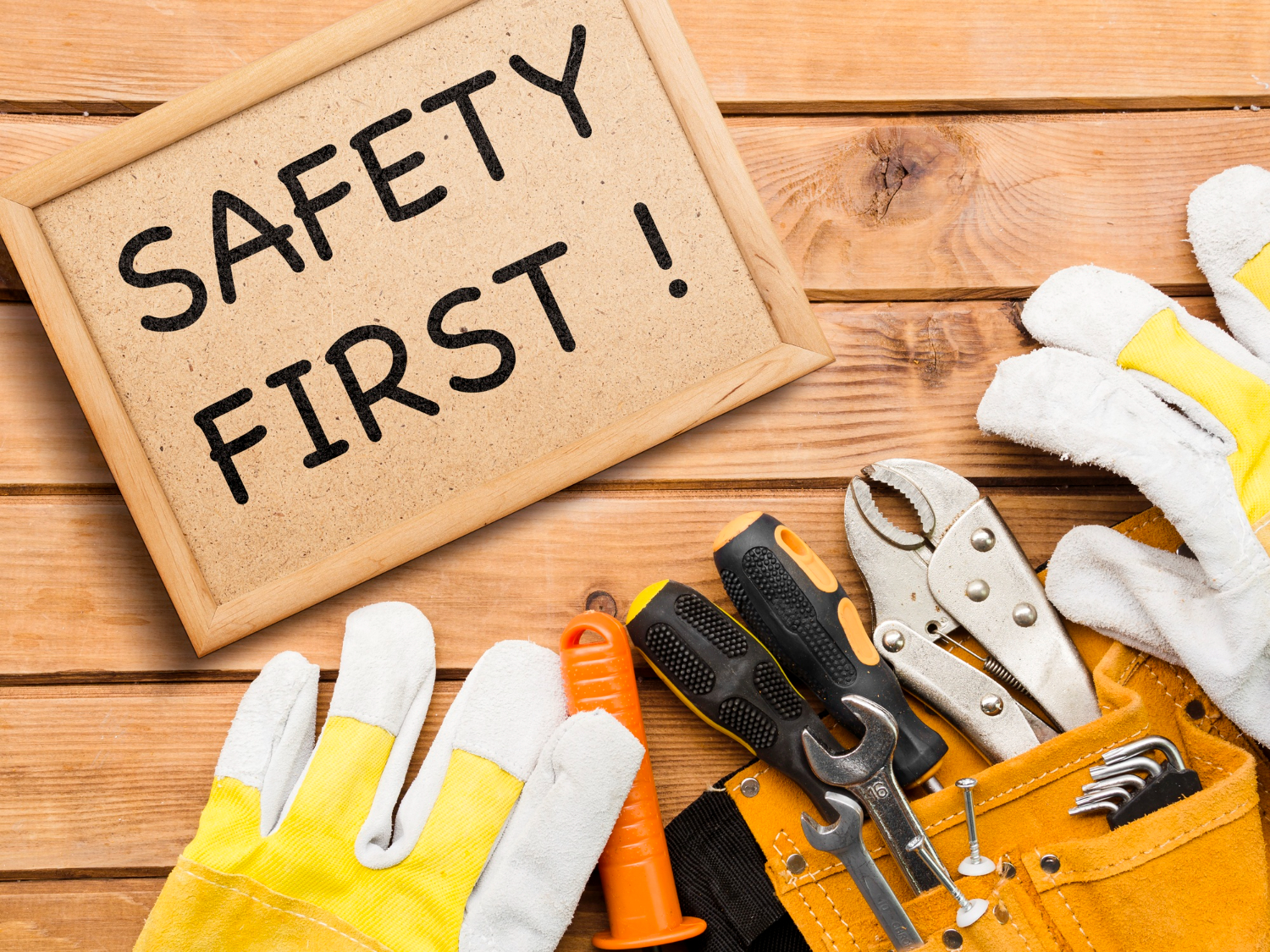
Whether you’re assembling furniture, patching drywall, building a backyard deck, or tackling a weekend renovation, the right tools are only part of the equation. Just as important is protecting yourself while you work.
Many DIY injuries happen during routine projects because safety gear is overlooked. A flying wood chip, a cloud of drywall dust, or a loud power tool may seem harmless in the moment, but repeated exposure or a single accident can lead to injuries that are easily preventable.
The good news is that you don’t need a closet full of specialized equipment. A handful of quality protective items will cover most home repair and improvement projects.
Why Personal Protective Equipment Matters
Personal Protective Equipment (PPE) is designed to reduce the risk of injury while working around tools, building materials, chemicals, and debris.
Even experienced DIYers wear protective gear because accidents can happen unexpectedly. A drill bit can snap, a ladder can shift, or a piece of wood can splinter without warning.
Making PPE part of your routine helps ensure you can finish your project safely and comfortably.
Safety Glasses
If you’re only going to buy one piece of protective equipment, make it a pair of safety glasses.
Your eyes are vulnerable to:
- Sawdust
- Metal shavings
- Flying nails or screws
- Paint splatter
- Drywall dust
- Wood chips
Unlike regular eyeglasses, safety glasses are designed to withstand impacts and provide side protection.
Wear them whenever you’re drilling, cutting, sanding, hammering, or using power tools.
Work Gloves
A good pair of work gloves protects your hands from cuts, splinters, abrasions, and blisters.
They’re especially useful when:
- Carrying lumber
- Moving concrete blocks
- Handling rough materials
- Working in the garden
- Using hand tools
- Cleaning up demolition debris
Choose gloves that fit properly. Gloves that are too loose can reduce grip and make it harder to work safely.
Hearing Protection
Power tools are often louder than people realize.
Extended exposure to loud equipment can contribute to permanent hearing loss over time.
Consider wearing hearing protection when using:
- Circular saws
- Miter saws
- Air compressors
- Nail guns
- Leaf blowers
- Angle grinders
- Table saws
Foam earplugs work well for occasional projects, while earmuff-style hearing protection offers additional comfort for longer jobs.
Dust Masks and Respirators
Many common DIY tasks create fine dust that shouldn’t be inhaled.
Examples include:
- Sanding drywall
- Cutting wood
- Removing old insulation
- Sweeping construction debris
- Mixing cement or mortar
A basic dust mask can help with light dust, while a properly fitted respirator offers better protection when working with fine particles, paint fumes, or certain construction materials.
Always choose protection appropriate for the job and work in a well-ventilated area whenever possible.
Sturdy Footwear
Your choice of shoes matters more than you might think.
Avoid:
- Sandals
- Flip-flops
- Bare feet
- Slippery athletic shoes with worn soles
Instead, wear sturdy, closed-toe shoes or work boots with good traction.
Proper footwear helps protect against:
- Falling tools
- Sharp objects
- Slippery surfaces
- Heavy materials
It also provides better stability when climbing ladders or carrying supplies.
Knee Pads
If you’re installing flooring, working on baseboards, gardening, or making repairs near the floor, knee pads can make a noticeable difference.
They help:
- Reduce pressure on your knees
- Improve comfort during long projects
- Prevent soreness after extended kneeling
Many professionals wear knee pads daily because they’re far more comfortable than kneeling directly on hard surfaces.
Protective Clothing
You don’t need expensive workwear, but your clothing should match the project.
Good choices include:
- Long pants
- Long sleeves when appropriate
- Durable fabrics
- Clothes that fit comfortably without being baggy
Avoid loose sleeves, dangling drawstrings, jewelry, or anything that could become caught in moving tools.
Hard Hats (When Appropriate)
Most indoor home repairs don’t require a hard hat, but there are situations where head protection makes sense.
Consider one if you’re:
- Working beneath overhead construction
- Demolishing ceilings
- Working in unfinished basements
- Removing heavy fixtures
- Building outdoor structures
While not an everyday necessity, a hard hat can provide valuable protection during larger projects.
Face Shields
Some tasks create larger amounts of flying debris than safety glasses alone are designed to handle.
A face shield offers additional protection during jobs like:
- Grinding metal
- Using a wire brush attachment
- Operating certain power tools
- Cutting materials that produce larger chips
Face shields are generally used alongside safety glasses rather than as a replacement.
First Aid Kit
Protective equipment helps prevent injuries, but it’s also wise to prepare for minor accidents.
Keep a stocked first aid kit nearby with items such as:
- Adhesive bandages
- Sterile gauze
- Antiseptic wipes
- Medical tape
- Tweezers
- Disposable gloves
- Burn cream
Having supplies close by allows you to respond quickly to small cuts and scrapes before they interrupt your project.
Store PPE Where You’ll Use It
One reason people skip protective gear is inconvenience.
Instead of storing everything in different locations, keep your PPE together in a toolbox, cabinet, or storage bin near your workspace.
When your safety glasses and gloves are easy to grab, you’re much more likely to use them.
Replace Worn Safety Equipment
Protective gear doesn’t last forever.
Inspect your equipment regularly for signs of wear:
- Scratched safety glasses
- Torn gloves
- Cracked hard hats
- Compressed or damaged respirator filters
- Worn-out hearing protection
Replacing damaged equipment ensures it continues to provide the protection it was designed for.
PPE Doesn’t Replace Safe Habits
Even the best protective equipment can’t compensate for unsafe work practices.
Always remember to:
- Read tool instructions before use
- Use the correct tool for each task
- Keep your workspace clean
- Disconnect power before changing blades or bits
- Work at a comfortable pace instead of rushing
PPE works best when it’s combined with good judgment and careful planning.
DIY projects are meant to improve your home—not result in preventable injuries.
Investing in a few essential pieces of personal protective equipment is one of the smartest decisions any homeowner can make.
Safety glasses, gloves, hearing protection, proper footwear, and a quality dust mask will cover the vast majority of projects around the house. Combined with safe work habits and the right tools, they allow you to work more confidently and focus on what really matters: completing your project safely and successfully.