
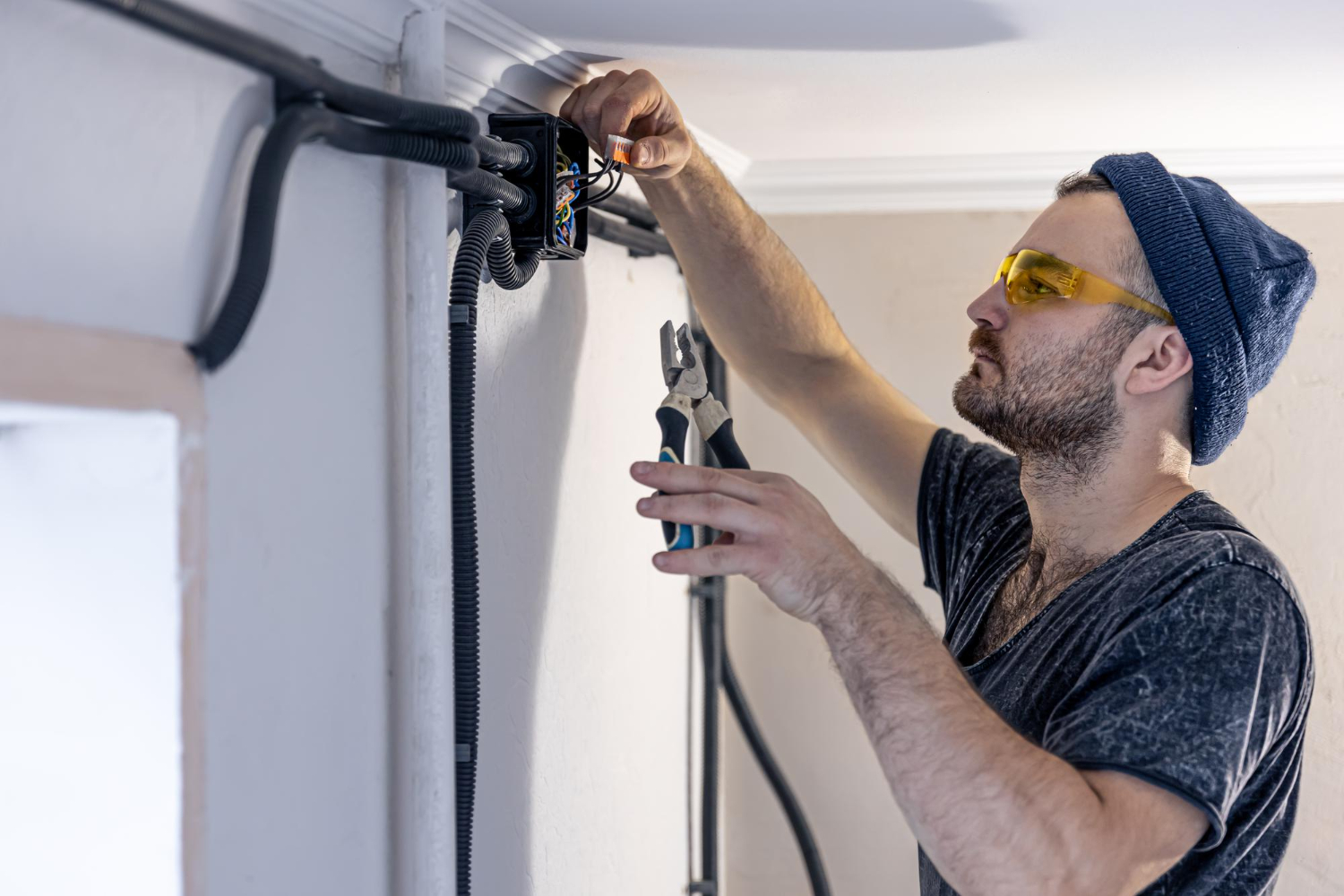
Electricity powers nearly every part of a modern home, from lighting and appliances to heating and security systems. While many basic electrical tasks—such as replacing a light fixture or installing a new switch plate—are manageable for homeowners, electricity should never be taken lightly.
Unlike many home repair mistakes that result in cosmetic damage, electrical errors can lead to serious injuries, fires, or damage to your home’s wiring. Understanding a few basic safety principles before starting any repair can help you work more confidently while reducing unnecessary risks.
Know Your Limits
Not every electrical project is suitable for DIY.
Simple jobs like replacing a light switch cover or changing a light bulb are very different from installing new circuits or modifying your home’s electrical panel.
As a general rule, homeowners can often handle basic maintenance, but it’s best to leave more complex work to a licensed electrician.
Projects that usually require professional experience include:
- Installing new electrical circuits
- Replacing or upgrading breaker panels
- Rewiring rooms
- Repairing damaged service cables
- Troubleshooting recurring breaker trips
- Working near the home’s main electrical service
Recognizing when a project exceeds your skill level is one of the most important safety decisions you can make.
Always Turn Off the Power
Before touching any electrical wiring or device, disconnect the power supplying that circuit.
This usually involves:
- Locating the correct breaker in your electrical panel.
- Switching it to the “Off” position.
- Confirming the power is actually off before beginning work.
Never assume a switch controls all the power to a fixture. Many electrical boxes contain multiple energized wires, even when a light is turned off.
Test Before You Touch
Turning off a breaker is only the first step.
Always verify that the circuit is de-energized using an appropriate voltage tester or non-contact voltage detector before handling wires.
Testing only takes a few seconds and helps confirm that you’ve shut off the correct circuit.
Developing the habit of “test before touch” is one of the best ways to prevent accidental electrical shock.
Keep Water Away from Electrical Work
Water and electricity are a dangerous combination.
Avoid performing electrical repairs when:
- Standing on a wet floor
- Working with damp hands
- Repairing outdoor wiring during rain
- Using electrical tools near standing water
If flooding or water damage has affected electrical equipment, have the system inspected before restoring power.
Use Insulated Tools
Many tools designed for electrical work have insulated handles that provide an additional layer of protection.
While insulation doesn’t make unsafe work safe, it helps reduce the chance of accidental contact with energized components.
Keep your tools clean and inspect them regularly for cracks, loose handles, or other damage.
Avoid Overloading Extension Cords
Extension cords are intended for temporary use—not permanent wiring.
To reduce electrical hazards:
- Use cords rated for the equipment you’re operating.
- Fully uncoil extension cords during use.
- Avoid running cords under rugs or furniture.
- Replace cords with damaged insulation immediately.
- Never connect multiple extension cords together unless they’re designed for that purpose.
If you constantly rely on extension cords, installing additional outlets may be a better long-term solution.
Check Cords Before Using Power Tools
Before plugging in any corded tool, inspect the cord carefully.
Look for:
- Cuts or exposed wires
- Cracked insulation
- Loose plugs
- Bent prongs
- Signs of overheating
Damaged cords should be repaired or replaced before use.
Use the Correct Bulbs and Fixtures
Installing a bulb with a higher wattage than a fixture is designed to handle can create excessive heat.
Always follow the manufacturer’s recommendations for:
- Maximum bulb wattage
- Bulb type
- Fixture compatibility
LED bulbs often provide excellent brightness while producing less heat than traditional incandescent bulbs.
Be Careful Around Hidden Wiring
Before drilling, cutting, or driving screws into walls, consider what may be behind the surface.
Electrical wiring often runs through:
- Interior walls
- Ceilings
- Stud cavities
- Around outlets and switches
A stud finder with wire detection can help identify potential hazards before you begin drilling.
Keep Electrical Panels Accessible
Your breaker panel should always remain easy to reach.
Avoid storing boxes, shelving, or household items directly in front of it.
In an emergency, you should be able to shut off power quickly without moving obstacles out of the way.
It’s also a good idea to label breakers clearly if they aren’t already marked.
Replace Damaged Outlets and Switches
Electrical devices wear out over time.
Signs an outlet or switch may need replacement include:
- Cracks or discoloration
- Loose-fitting plugs
- Buzzing sounds
- Burn marks
- Warm surfaces
- Flickering lights when used
Ignoring these warning signs can increase the risk of electrical failure.
Never Ignore Frequently Tripped Breakers
Circuit breakers are safety devices designed to prevent overheating and electrical fires.
If a breaker trips repeatedly, resetting it over and over isn’t the solution.
Frequent trips may indicate:
- An overloaded circuit
- Faulty wiring
- A failing appliance
- A short circuit
Persistent breaker problems should be investigated rather than ignored.
Keep Children Safe During Repairs
If you’re working on electrical equipment:
- Keep children and pets away from the work area.
- Cover exposed electrical boxes when leaving the project unfinished.
- Never leave energized wiring unattended.
Even short interruptions during a project deserve the same attention to safety as the work itself.
Wear Appropriate Protective Equipment
For basic electrical work, consider using:
- Safety glasses
- Insulated gloves when appropriate
- Rubber-soled shoes
- Non-conductive ladders when working near electrical components
Avoid wearing metal jewelry, watches, or bracelets while handling electrical equipment.
Know When to Call an Electrician
Some situations should always be handled by a qualified professional.
These include:
- Burning smells from outlets or switches
- Sparking electrical panels
- Damaged service cables
- Aluminum wiring concerns
- Whole-house power issues
- Major renovations requiring new wiring
- Any repair involving the main electrical service
Electrical systems are designed with safety in mind, but only when they’re installed and repaired correctly.
Electrical repairs don’t have to be intimidating, but they should always be approached with respect and caution.
Taking a few extra minutes to shut off power, verify that a circuit is de-energized, inspect your tools, and follow safe work practices can prevent serious accidents.
The most successful DIYers aren’t the ones who take the biggest risks—they’re the ones who understand their limits, prepare carefully, and never compromise on safety. When you’re unsure about an electrical repair, it’s always better to ask for professional help than to guess. Your home, and more importantly your safety, are worth it.