
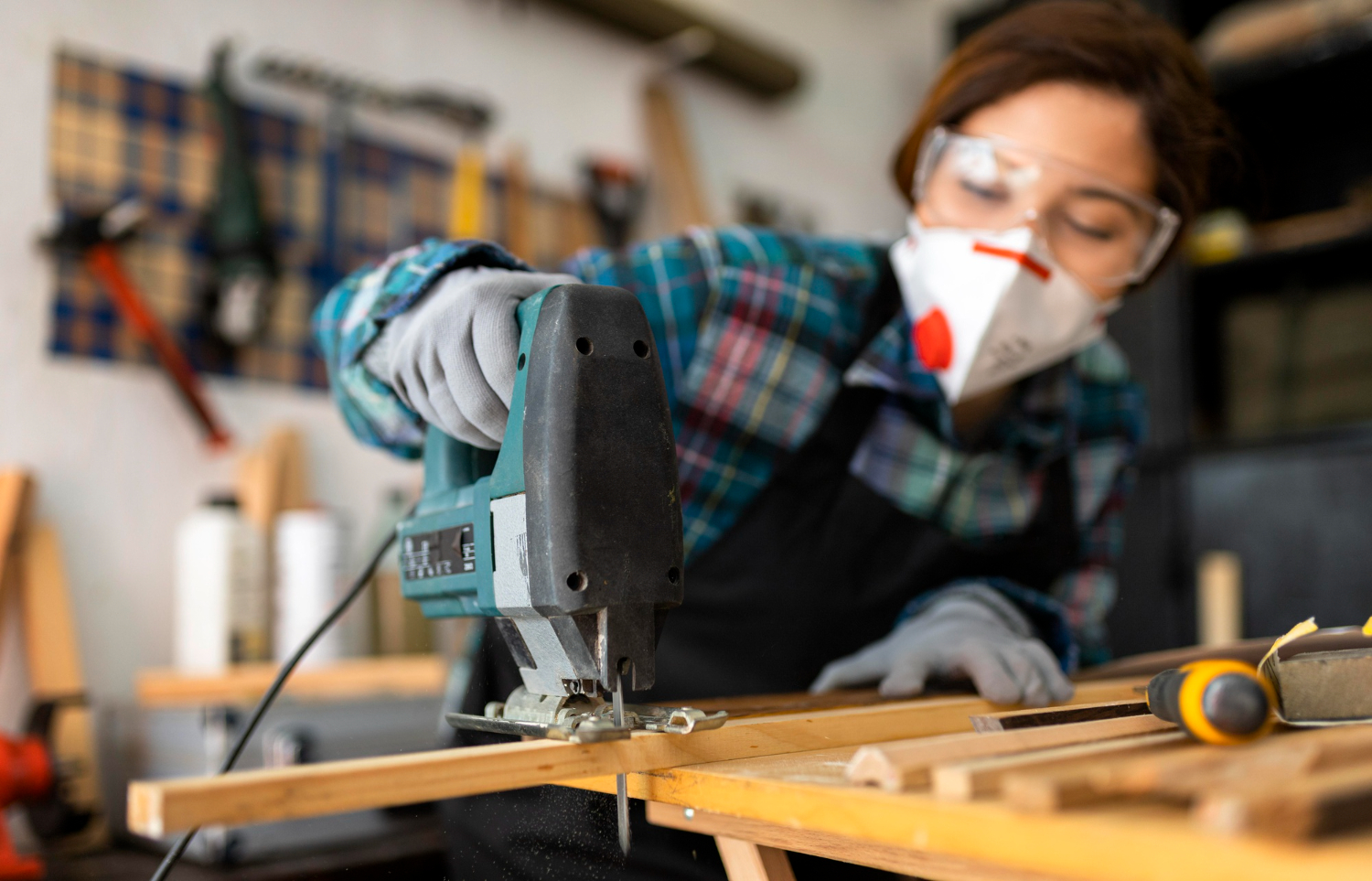
Power tools have made home improvement projects faster, easier, and more precise than ever before. Whether you’re building furniture, installing shelves, cutting lumber, or renovating a room, the right tool can save hours of work. But with that convenience comes responsibility.
Most power tool injuries don’t happen because the equipment fails—they happen because basic safety steps are skipped. A moment of distraction, an improper setup, or using the wrong tool can quickly turn a simple project into a trip to the emergency room.
Fortunately, staying safe doesn’t require special training. By following a few practical guidelines, you can use power tools confidently while reducing the risk of accidents.
Choose the Right Tool for the Job
Every power tool is designed for a specific purpose. Using the wrong one may seem like a shortcut, but it often leads to poor results and unnecessary risks.
For example:
- Use a circular saw for straight cuts in lumber.
- Use a drill for boring holes and driving screws.
- Use a jigsaw for curved or detailed cuts.
- Use an impact driver for large fasteners and heavy-duty screws.
If a tool feels like it’s struggling or requires excessive force, it’s probably the wrong choice for the task.
Read the Owner’s Manual
Even experienced DIYers take a few minutes to review the manufacturer’s instructions when using a new tool.
The manual explains:
- Proper operating procedures
- Safety features
- Recommended accessories
- Maintenance requirements
- Maximum cutting or drilling capacities
Understanding how a tool is designed to work makes it safer and more effective.
Inspect Tools Before Every Use
Before plugging in a corded tool or installing a battery, give it a quick inspection.
Check for:
- Cracked housings
- Loose handles
- Damaged cords
- Missing safety guards
- Dull or damaged blades
- Worn drill bits
- Loose fasteners
A simple inspection only takes a minute and can prevent equipment failure during use.
Wear the Proper Safety Gear
Power tools can produce flying debris, loud noise, and fine dust.
Basic protective equipment should include:
- Safety glasses
- Hearing protection
- Work gloves when appropriate
- Closed-toe shoes
- A dust mask or respirator when sanding or cutting dusty materials
Loose clothing, jewelry, and long hair should be secured before operating any tool with moving parts.
Secure Your Workpiece
Trying to hold material with one hand while cutting or drilling with the other is a common mistake.
Instead, use:
- Clamps
- A vise
- A stable workbench
- Sawhorses
Keeping the material firmly in place improves both safety and accuracy.
Keep Your Workspace Clean
A cluttered workspace creates unnecessary hazards.
Before starting:
- Remove cords from walking paths.
- Clear away scrap materials.
- Sweep up sawdust when it begins to accumulate.
- Keep tools organized between uses.
- Make sure the floor is dry and free of obstacles.
Good housekeeping helps prevent slips, trips, and accidental contact with moving tools.
Check Blades and Bits
Using dull accessories makes tools work harder and increases the chance of kickback or slipping.
Inspect:
- Saw blades
- Drill bits
- Router bits
- Sanding discs
- Grinding wheels
Replace worn or damaged accessories promptly. Sharp tools generally require less force and produce cleaner results.
Let the Tool Do the Work
One of the biggest mistakes beginners make is forcing a tool through the material.
Whether you’re drilling, sanding, or cutting, apply steady, moderate pressure and allow the motor to do the work.
Forcing a tool can lead to:
- Overheating
- Damaged materials
- Broken bits or blades
- Loss of control
Patience almost always produces a better result.
Unplug or Remove the Battery Before Adjustments
Never change a blade, bit, or accessory while a power source is connected.
Before making adjustments:
- Unplug corded tools.
- Remove the battery from cordless tools.
- Wait until all moving parts have stopped completely.
This simple habit eliminates the possibility of accidental startup.
Be Aware of Kickback
Kickback occurs when a blade or bit suddenly binds in the material, causing the tool to jerk unexpectedly.
To reduce the risk:
- Use sharp blades.
- Support materials properly.
- Stand slightly to one side of cutting tools.
- Maintain a firm grip with both hands whenever possible.
- Never remove or bypass blade guards.
Understanding how kickback happens helps you avoid situations where it is more likely to occur.
Keep Both Hands Where They Belong
Many power tools are designed for two-handed operation.
Always use the provided handles and maintain a stable grip.
Keep your hands well away from:
- Saw blades
- Router bits
- Grinding wheels
- Sanding belts
- Moving drill bits
If a tool feels awkward to hold, stop and reposition yourself rather than reaching across the work area.
Work in Good Lighting
Poor visibility increases the chance of mistakes.
A well-lit workspace helps you:
- Follow cut lines accurately
- Spot hazards
- Read measurements
- Monitor blade position
If necessary, add a portable work light instead of relying on overhead room lighting alone.
Avoid Fatigue and Distractions
Power tools demand your full attention.
If you’re tired, frustrated, or rushing to finish before dark, it’s often better to stop and continue later.
Likewise:
- Put away your phone.
- Avoid conversations while making cuts.
- Stay focused until the tool has completely stopped.
A few seconds of distraction can lead to a lasting injury.
Store Power Tools Properly
When the job is finished:
- Clean dust and debris from the tool.
- Remove batteries from cordless tools if storing long-term.
- Coil cords neatly without sharp bends.
- Store tools in a dry location.
- Keep them out of reach of children.
Proper storage helps extend the life of your equipment and keeps it ready for the next project.
Know When a Tool Needs Repair
If a power tool starts behaving differently, don’t ignore it.
Stop using it if you notice:
- Burning smells
- Excessive vibration
- Sparking
- Unusual noises
- Difficulty starting
- Loose components
Continuing to use a damaged tool can make a minor problem much more serious.
Never Bypass Safety Features
Blade guards, trigger locks, anti-kickback devices, and other built-in safety mechanisms exist for a reason.
Avoid removing or disabling them, even if they seem inconvenient.
Saving a few seconds isn’t worth increasing the risk of injury.
Power tools are some of the most useful pieces of equipment a homeowner can own, but they demand respect every time they’re used.
Safe operation isn’t about being overly cautious—it’s about building smart habits that become second nature.
Take a few moments to inspect your tools, wear the proper protective equipment, secure your workpiece, and stay focused throughout the project. These simple practices not only reduce the risk of accidents but also lead to cleaner cuts, better results, and a more enjoyable DIY experience.