
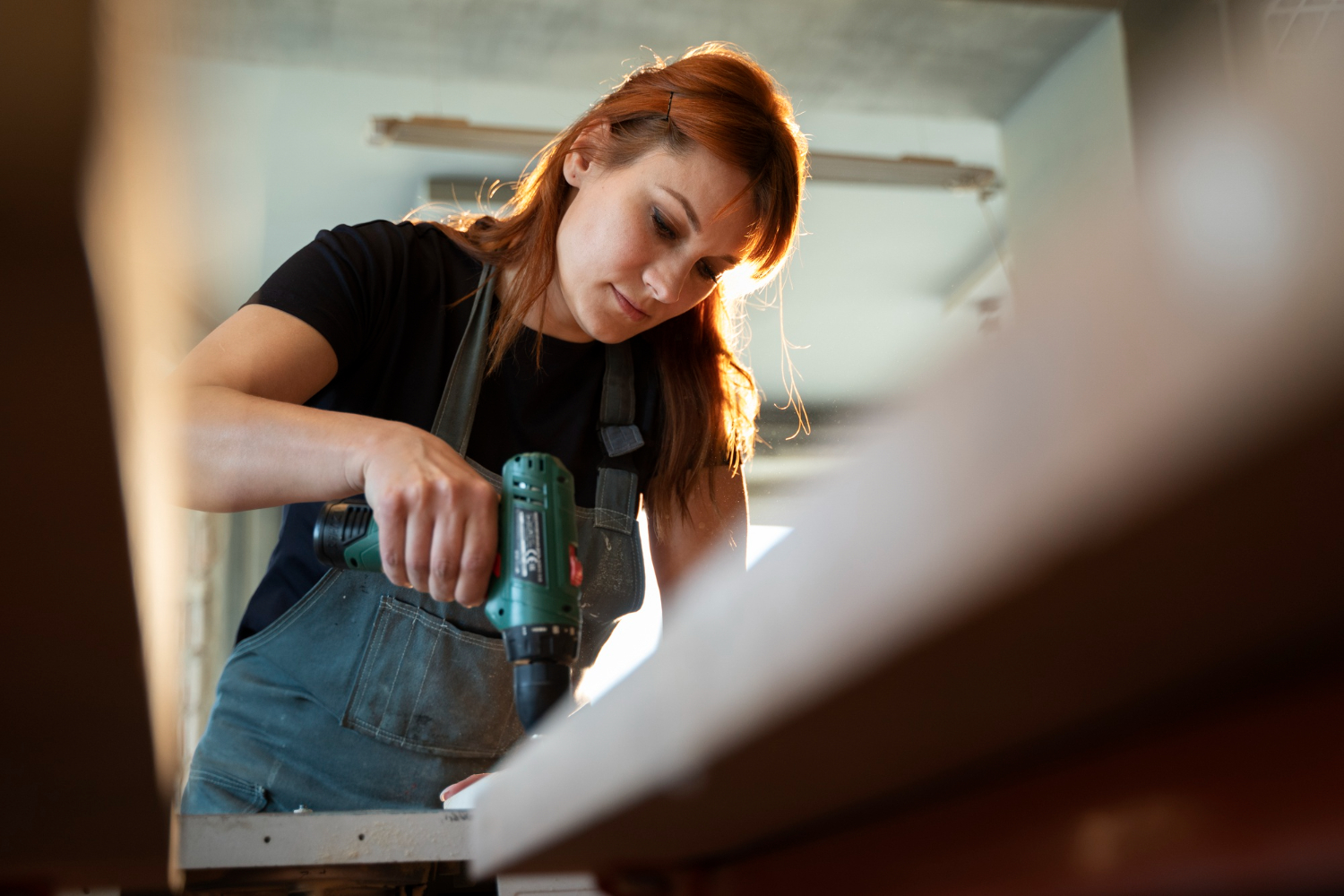
Most people don’t start out confident with home repairs. They start out unsure—hesitating over whether they’re using the right tool, second-guessing measurements, or worrying they’ll make something worse. That’s normal. DIY confidence isn’t something you either have or don’t have; it’s something you build through repetition, small wins, and a few mistakes along the way.
The key is not jumping straight into large, complex projects. Confidence grows faster when you start small, stay consistent, and gradually stretch your skills without overwhelming yourself.
Why Small Projects Matter More Than Big Ones
Large renovations look impressive, but they’re not the best place to learn.
Small projects help you:
- Learn basic tools without pressure
- Make mistakes that are easy to fix
- See results quickly
- Build muscle memory for common tasks
- Understand how materials behave
Each completed task becomes proof that you can handle the next one.
Start with Simple, Low-Risk Tasks
The best beginner projects are the ones that won’t cause major problems if something goes slightly wrong.
Good starting points include:
- Replacing outlet or switch covers
- Hanging pictures or lightweight shelves
- Tightening loose cabinet hardware
- Patching small nail holes in drywall
- Replacing air filters or vent covers
- Installing basic curtain rods or hooks
These tasks build familiarity with tools and materials without putting your home at risk.
Focus on Learning One Skill at a Time
A common mistake is trying to learn everything at once—drilling, painting, measuring, plumbing, and electrical work all in a single weekend.
Instead, focus on one core skill per project:
- Measuring and marking accurately
- Using a drill safely and confidently
- Applying paint cleanly
- Finding studs in a wall
- Working with basic fasteners
Mastery comes from repetition, not variety.
Expect Imperfect Results at First
Early DIY work rarely looks perfect, and that’s part of the process.
You might notice:
- Slightly uneven paint edges
- A shelf that’s a little off level
- A patch that doesn’t blend perfectly
- Screws that need adjusting later
These aren’t failures—they’re part of learning how materials and tools behave in real situations.
Build Familiarity with Basic Tools
Confidence grows quickly when tools stop feeling unfamiliar.
Start with essentials like:
- Tape measure
- Cordless drill
- Screwdrivers
- Level
- Utility knife
- Hammer
Use them regularly, even for small tasks. The more often you handle them, the more natural they become.
Don’t Rush the Setup Phase
Most mistakes happen before the actual work begins.
Take time to:
- Measure twice before cutting or drilling
- Mark clearly with pencil or tape
- Check alignment with a level
- Lay out tools before starting
A calm setup phase makes the rest of the project much easier.
Learn to Fix Small Mistakes Without Stress
Confidence doesn’t come from never making mistakes—it comes from knowing you can correct them.
Common small fixes include:
- Filling misdrilled holes with spackle
- Repositioning brackets or hardware
- Sanding and repainting small areas
- Re-tightening loose screws
When you realize mistakes are fixable, hesitation drops significantly.
Keep Projects Short and Finishing-Focused
Long, open-ended projects can feel overwhelming.
Instead, choose tasks that:
- Can be completed in under an hour or two
- Have a clear “start and finish” point
- Don’t depend on multiple trades or systems
Finishing something—no matter how small—builds momentum.
Pay Attention to What Went Right
It’s easy to focus only on imperfections, but progress shows up in small improvements:
- Faster setup time
- Cleaner cuts or lines
- Better alignment than last time
- Fewer second attempts
Noticing improvement reinforces confidence more than any single perfect result.
Repeat Similar Tasks to Reinforce Skills
Repetition is one of the fastest ways to build comfort.
For example:
- Hang multiple frames instead of just one
- Patch several small holes in different rooms
- Install a few vent covers or hardware pieces
- Practice drilling into scrap wood before working on walls
Each repetition reduces hesitation.
Create a Small “Win List”
Keeping track of completed projects helps reinforce progress.
You can note:
- What you fixed or installed
- What tools you used
- What you learned
- What you’d do differently next time
Looking back at a list of completed tasks builds a sense of capability over time.
Avoid Comparing Yourself to Experienced DIYers
It’s easy to watch skilled contractors or experienced DIYers and assume you’re far behind.
But they started with the same basics:
- Learning how to measure properly
- Figuring out which drill bit to use
- Making uneven cuts and imperfect repairs
Skill builds over time, not instantly.
Know When to Step Back
Confidence also includes knowing when a project is beyond your current level.
It’s reasonable to pause or seek help for:
- Electrical panel work
- Gas line repairs
- Structural framing issues
- Major plumbing leaks
- Roof repairs
Recognizing limits prevents frustration and keeps you safe.
Turn Small Repairs into Routine Practice
Instead of waiting for something to break, treat small improvements as practice opportunities:
- Straighten a crooked switch plate
- Touch up a scuffed wall
- Replace a worn cabinet knob
- Adjust a loose hinge
These small actions keep your skills active and growing.
DIY confidence isn’t built through big, dramatic projects—it’s built through small, repeatable successes.
Each minor repair you complete adds to your comfort with tools, your understanding of your home, and your ability to solve problems without hesitation.
Start small, stay consistent, and allow yourself to learn as you go. Over time, tasks that once felt intimidating become routine, and your home becomes a place you feel increasingly capable of maintaining and improving on your own terms.